Clinical Pilates and regular Pilates can seem like the same thing. But once you scratch the surface, they’re actually pretty different.
Clinical Pilates is guided by a physiotherapist and built around your symptoms, your movement, your strength, and your goals. Regular Pilates is more of a general exercise class. Great for overall fitness and movement, but not tailored to you specifically.
If you’re dealing with pain, recovering from an injury, healing after surgery, or just not sure which one to pick, understanding the difference between clinical Pilates vs regular Pilates can make your decision a whole lot easier.
What Is Clinical Pilates?
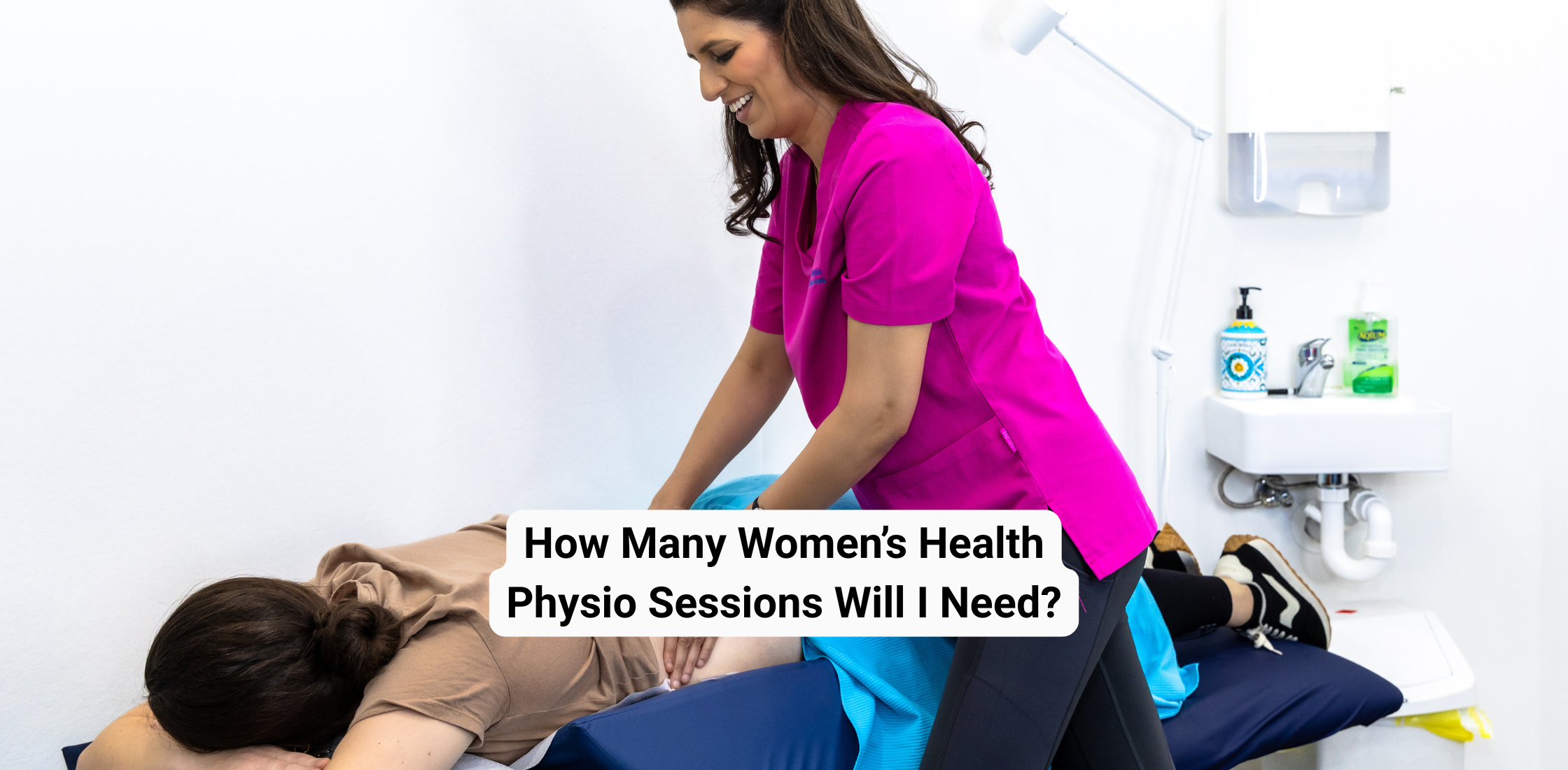
Clinical Pilates is a physio-led approach. It is Pilates-based exercises as part of a rehab program built specifically for you.
It’s not a case of everyone doing the same thing. Your physiotherapist looks at how your body is actually moving and works out what you personally need to focus on.
Depending on your situation, clinical Pilates exercises might be aimed at:
- Building strength
- Improving how you control your movement
- Better balance and coordination
- Supporting recovery after an injury
- Gradually getting back into exercise
- Improving core and pelvic floor control
- Building confidence with movement again
At ProCure Physio, clinical Pilates in Toongabbie is built into your rehab based on your assessment and your personal goals. As your strength, control, and confidence grow, the exercises grow with you.
So What Is Regular Pilates?
Regular Pilates is all about:
- Controlled movement
- Building strength
- Staying flexible
- Becoming more aware of your body
You show up to a class and everyone works through the same exercises together. And honestly, there’s nothing wrong with that at all.
Regular Pilates can be a really great option for people who move comfortably and don’t need a personalised rehab program.
The real difference between clinical Pilates vs regular Pilates is pretty simple. It comes down to how much individual assessment goes into it, and the thinking behind why each exercise is chosen for you specifically.
Is Clinical Pilates Just Regular Pilates With a Different Name?
Not really.
The exercises can sometimes look pretty similar. You might see bridges, leg movements, core work, squats, or other controlled movements in both settings.
What changes is the reason behind the exercise, how it’s performed, and how it’s progressed over time.
Think of it this way: two people might both do a bridge exercise.
One person is using it to slowly rebuild strength after an injury. Another is working on pelvic control. Someone else is just doing it as part of a general fitness class.
Same movement, but very different purpose. And that’s the difference between clinical Pilates vs regular Pilates.
Who Might Benefit From Clinical Pilates?
If you’re dealing with something physical, clinical Pilates could be exactly what you need. You would want exercise to be part of getting better. It’s worth looking into if you’re dealing with:
Back or neck pain
Your physio can pick exercises that actually suit where you’re at right now: your movement, your strength, your symptoms. Not just a standard class routine.
Recovery after an injury
Once the worst of the injury has settled down, carefully progressed exercise can help you build your strength and movement back up.
Post-surgery rehabilitation
Clinical Pilates can be part of your recovery after certain surgeries, depending on where you’re at and what your medical team advises.
Women’s health concerns
Pilates-based exercises can be worked into some women’s health rehab programs, including core and pelvic floor work. The exercises always need to suit your specific symptoms and stage of recovery.
General weakness or low confidence with movement
Sometimes you might just feel weak, or a little off balance. Or the idea of exercising again just feels like too much right now. And that’s completely okay.
A structured clinical Pilates program meets you right where you are. Step by step. No rushing. No pressure. Just slow, steady progress, at a pace that actually works for your body.
Is Clinical Pilates Better Than Regular Pilates?
Not always. It really depends on what you need.
If you’re fit, active, and just looking for a good general exercise class, regular Pilates might be exactly what you’re after.
But if you’re in pain, recovering from an injury or surgery, or have specific rehab goals, clinical Pilates is likely the better fit. Because the whole program is built around you and nobody else.
It’s not really a competition between the two. It’s just about picking the right type of exercise for where your body is at right now. And that’s really the heart of the clinical Pilates vs regular Pilates conversation.
What Actually Happens in a Clinical Pilates Session?
You definitely will not start with a hard workout. That’s not how clinical Pilates works.
Your physio needs to understand where you’re starting from first. So it all begins with an individual 1:1 session that focuses on a thorough assessment and preparing a rehab plan for you.
Depending on what you need, this might involve looking at:
- Your symptoms and medical history
- How you’re currently moving
- Your strength and control
- Balance and coordination
- What you normally do day to day
- What you want to get back to
Your exercises are then chosen based on all of that.
You might start with pretty simple movements. As you get more comfortable and your body gets stronger, the exercises get progressively harder by changing the resistance, reps, range of movement, position, or complexity.
The aim of clinical Pilates is to challenge you in the right way. Not just to make every session harder for the sake of it.
Can Clinical Pilates Help If I Have Pain?
Yes, clinical Pilates can be used as part of rehab for people dealing with pain. But the exercises need to actually match where you’re at.
Pain doesn’t always mean you should stop moving completely. But pushing through every painful movement isn’t the answer either.
A physio can help you figure out what movements are right for you right now, and how to slowly build your tolerance over time.
If your symptoms change during rehab, your clinical Pilates program can be adjusted too.
Is Clinical Pilates Suitable for Beginners?
Absolutely.
You don’t need to already know Pilates before starting clinical Pilates.
If you’ve never done it before, your physio will start with exercises that match your current ability. They’ll explain what you’re doing and why.
There’s no need to start with the hardest exercise in the room.
Clinical Pilates is about building from where you are right now. Not where you think you should be.
Can Clinical Pilates Be Used Alongside Physio Treatment?
Yes. Clinical Pilates doesn’t have to stand alone. It can be just one part of a bigger physio program.
Depending on what you’re dealing with, your physio might weave clinical Pilates exercises together with education, movement advice, hands-on treatment, or other rehab strategies that suit your situation. Every exercise has a reason behind it, and a clear place in your overall plan.
At ProCure Physio in Toongabbie, physio led Pilates is built around you and what your body actually needs. No generic routines, no one-fit-for-all programs. And the clinic is easy to get to from Seven Hills, Blacktown, and the surrounding Western Sydney suburbs.
Clinical Pilates vs Regular Pilates: Which One Should I Choose?
Put simply, here’s how to think about it.
Stick with regular Pilates if you just want a general exercise class. No injuries. No rehab concerns. Just movement and fitness.
But if you’re in pain, coming back from an injury or surgery, dealing with a specific movement issue, or need something built around your recovery, clinical Pilates is probably the better choice.
Still going back and forth on clinical Pilates vs regular Pilates? Don’t overthink it. You don’t need to have everything worked out before your first visit. A physio will properly assess what’s going on with your body, then help you work out the best way forward, whether that ends up being clinical Pilates or something else completely.
FAQs
Is clinical Pilates the same as physiotherapy?
No. Clinical Pilates works really well as part of your physio rehab journey. But it doesn’t replace a proper physiotherapy assessment. If you need one, you need one.
Do I need to be fit before starting clinical Pilates?
Not at all. Your clinical Pilates program is adjusted to suit where you’re at right now. It can be built up gradually as your strength and movement improve.
Can I do regular Pilates if I have an injury?
Honestly, it depends. The type of injury matters. The type of class matters too. If you’re carrying an injury or dealing with pain that keeps hanging around, don’t rush back into exercise without talking to someone first. In most cases, starting with clinical Pilates is the smarter move. And the safer one too.
Is clinical Pilates only for back pain?
No. Clinical Pilates can be used as part of rehab for a whole range of physical concerns, depending on your individual assessment and goals.
Ready to Find Out If Clinical Pilates Is Right for You?
You don’t need to know exactly what exercises you need before your first appointment.
If you’re in Toongabbie, Seven Hills, Blacktown, or anywhere in Western Sydney, ProCure Physio can assess your needs and talk through whether physio led Pilates is the right fit for your goals.
Book an appointment with ProCure Physio today, or call (02) 8357 5000, and take that first step towards moving with more confidence.